Authors: Andriana Charalampopoulou, Arens Taga, Khalil Rust, Evelyn Luciani, Katherine Marshall, Elliot Montgomery, Anuradha Mansinghka, Richa Singh, Yang Zhao, Christine O’Keefe, Tza-Huei Wang, Arun Venkatesan, Christa Whelan Habela, and Nicholas John Maragakis
Cell Reports Methods, 19 May 2026
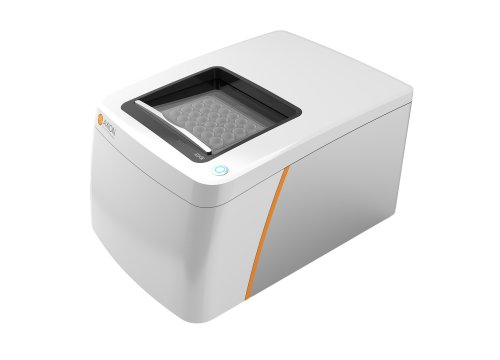
Maestro MEA and Lumos reveal maturation and synaptic connectivity in a human iPSC-derived corticospinal tract-on-a-chip model.
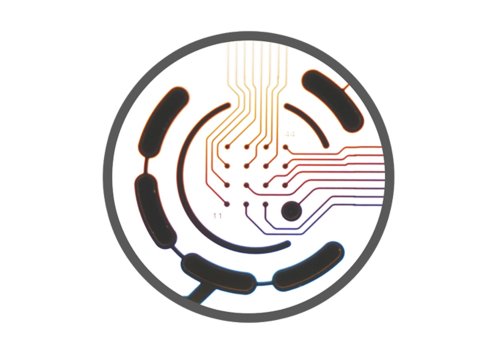
The corticospinal tract is a critical neural pathway controlling voluntary movement, but studying functional connectivity between cortical and spinal neurons in human-relevant systems remains challenging. In this study, researchers developed a human iPSC-derived corticospinal tract-on-a-chip model combining cortical neurons, spinal motor neurons, astrocytes, and microfluidic compartmentalization to recreate key features of corticospinal circuitry in vitro. This type of model is especially relevant for disorders that affect motor pathways, including ALS, spinal cord injury, hereditary spastic paraplegia, and other conditions involving disrupted cortical–spinal connectivity.
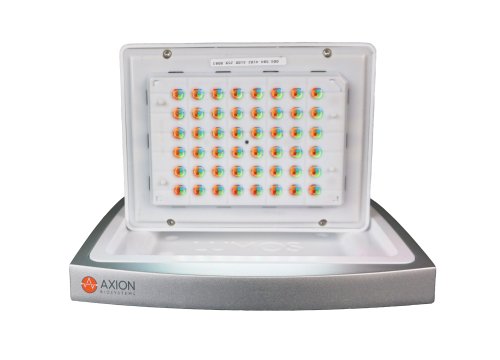
Using Axion Biosystems' Maestro MEA platform, the team tracked network maturation over time through metrics including weighted mean firing rate (wMFR), active electrodes, burst percentage, burst frequency, burst duration, and network burst frequency. These electrophysiological measurements demonstrated progressive network development, with the cultures reaching functional maturity around weeks 10–12. To investigate circuit connectivity, the researchers combined Maestro recordings with Lumos optogenetic stimulation. Selective activation of ChR2-expressing cortical neurons produced immediate responses in the cortical compartment followed by delayed activity in spinal motor neurons, consistent with functional synaptic transmission. Further pharmacological studies showed that blocking AMPA and NMDA receptors significantly reduced activity in the spinal compartment while leaving cortical responses largely intact, providing additional evidence of glutamatergic corticospinal connectivity. Together, these results establish a human corticospinal tract-on-a-chip platform for studying neural circuit development, connectivity, and disease-relevant dysfunction.