Authors: Christoph Spartalis, Manuel Ruiss, Thomas Dechat, Martin Kronschläger, and Oliver Findl
British Journal of Ophthalmology, 26 February 2026
Researchers use the Omni live-cell imaging system to show metformin reduces lens epithelial cell proliferation linked to posterior capsule opacification.
Posterior capsule opacification (PCO) is the most common long-term complication following cataract surgery, driven by the proliferation of residual lens epithelial cells (LECs). In this study, researchers investigated whether metformin—a widely used antidiabetic drug with known antifibrotic and antiproliferative properties—could reach the human lens capsule and inhibit LEC proliferation at physiologically relevant concentrations.
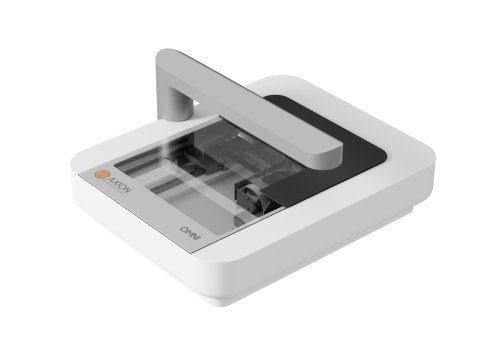
To assess functional effects, the team cultured human lens capsules and used Axion BioSystems’ Omni live-cell imaging system to monitor cell proliferation over 14 days. Continuous imaging revealed that metformin treatment significantly reduced LEC proliferation compared to controls, demonstrating a sustained antiproliferative effect over time.
These findings provide evidence supporting its potential as a pharmacological strategy to reduce PCO risk. The study also highlights the value of long-term, label-free live-cell imaging for tracking subtle changes in cell growth dynamics in clinically relevant models.