Author: Dilip Thomas, Amit Manhas, Yu Liu, Ravichandra Venkateshappa, Nadjet Belbachir, Shane R. Zhao, Cody Juguilon, Ian Y. Chen, Javid Moslehi, Nazish Sayed, and Joseph C. Wu
Circulation, 12 January 2026
Researchers use Maestro MEA to demonstrate how immune checkpoint inhibitors disrupt cardiac electrophysiology in human-relevant models.
Immune checkpoint inhibitors (ICIs) have transformed cancer therapy, but rare and potentially severe cardiac toxicities remain a growing clinical concern. In this Research Letter, investigators examined how two widely used ICIs—pembrolizumab and atezolizumab—affect cardiac function across multiple human-relevant systems, including hiPSC-derived cardiomyocytes, 3D cardiac organoids, and in vivo models.
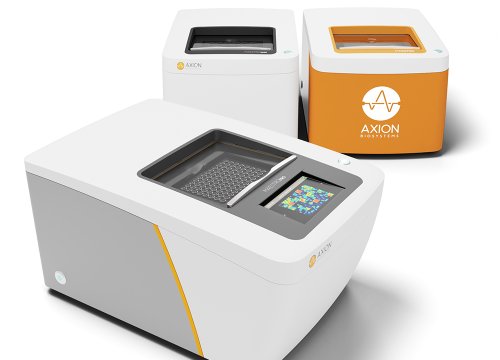
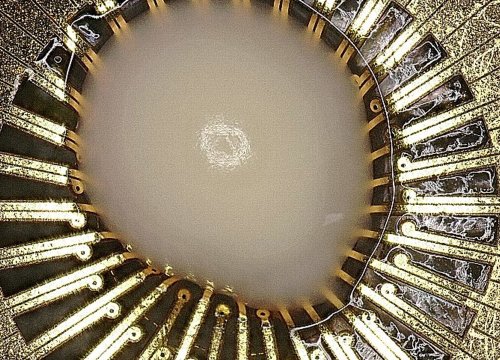
To assess electrophysiological effects, the team used Axion BioSystems’ next-generation Maestro MEA platform to record cardiomyocyte activity. Treatment with both ICIs resulted in increased beat period variability, reduced signal amplitude, and conduction abnormalities, indicating disruption of coordinated electrical signaling in cardiac tissue.
These findings provide important mechanistic insight into ICI-associated cardiotoxicity and highlight the value of human iPSC-based electrophysiology platforms for detecting subtle but clinically meaningful cardiac safety signals early in drug evaluation.