Authors: Yan Huang, Zhiqiu Wang, Hao Li, Zhong Wang, Guiming Luo, Lujun Zhao, Pingli Zeng, Xizhi Zhu, Aiqin Xue, Guohui Bian, Daili Song, Maoyang He, Yina Huang, Hong Gao, Xin Zhang, Xiaobo Cen, and Qian Bu
Journal of Hazardous Materials, 22 May 2026
Maestro MEA recordings reveal that cadmium suppresses firing, bursting, and network burst activity in dissociated human cortical organoid cultures.
Cadmium is a widespread environmental heavy metal pollutant, and prenatal exposure is a concern for fetal brain development. However, the cell-type-specific mechanisms underlying cadmium-induced developmental neurotoxicity remain poorly understood. In this study, researchers used human cortical organoids and single-cell RNA sequencing to investigate how cadmium disrupts human corticogenesis across neurons, radial glial cells, neural progenitor cells, intermediate progenitors, and astrocytes. Their analysis revealed altered neural differentiation, disrupted zinc and copper ion homeostasis, cell cycle arrest in proliferating neural populations, impaired axon guidance, abnormal cell–cell communication, and astrocyte dysfunction.
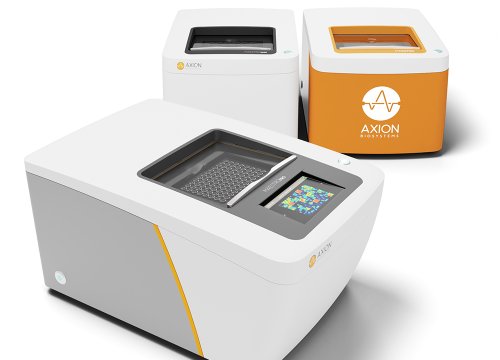
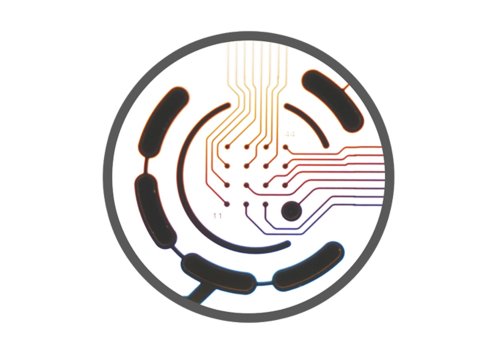
To evaluate whether these molecular and cellular changes translated into altered network function, the researchers dissociated cortical organoids, replated the cells on MEA plates, and allowed functional synaptic connections to reform before cadmium exposure. Using Axion BioSystems’ Maestro MEA system, the team recorded spontaneous electrophysiological activity and found that cadmium reduced weighted mean firing rate, number of bursts, and number of network bursts over 7 days.
Together, these findings show that cadmium exposure impairs neuronal maturation and suppresses overall network activity in human cortical organoid-derived cultures. By combining single-cell transcriptomics with functional MEA readouts, this study provides a more complete view of cadmium-induced developmental neurotoxicity and supports the use of human-relevant organoid models for environmental toxicology research.