Authors: Mitchell B Moyer, Svetlana Ivanova, Kaspar Keledijan, Matthew Kreinbrink, Jenna Langbein, Penghua Yang, Darrian McAfee, Ujwal Boddeti, Ziam Khan, Jemima Owotade, Timothy Zhang, David R Benavides, Joshua Diamond, Kareem Zaghloul, Muznabanu Bachani, Volodymyr Gerzanich, J Marc Simard, and Alexander Ksendzovsky
Brain, 15 November 2025
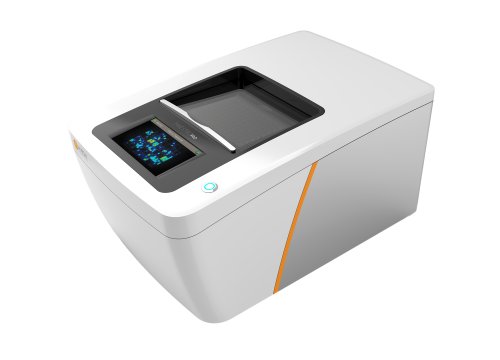
Scientists use Axion’s hands-free Maestro Pro MEA platform to explore the mechanisms of epilepsy and investigate new therapeutic approaches.
Epilepsy is driven by abnormal patterns of neuronal activity, but the molecular contributors to this hyperexcitability are not fully understood. One candidate is the SUR1-TRPM4 ion channel, which has been implicated in injury-related edema and inflammation, yet its role in chronic epilepsy has not been clearly defined. In this study, researchers investigated whether SUR1-TRPM4 contributes directly to seizure-associated network dysfunction.
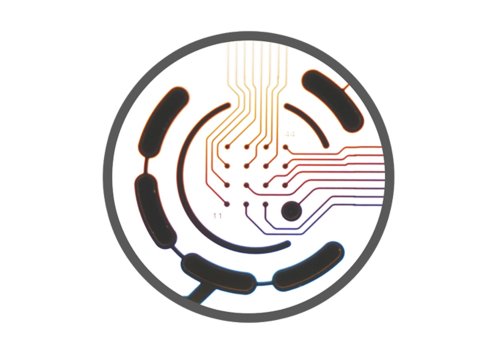
Using Axion BioSystems’ noninvasive Maestro Pro platform, the team recorded spontaneous electrical activity in rat cortical cultures to examine how modulation of SUR1-TRPM4 influences network behavior. They found that SUR1-TRPM4 expression was elevated in chronic epilepsy models, and that blocking the channel reduced seizure susceptibility, including during application of a seizure-inducing low-magnesium challenge. MEA recordings revealed decreases in burst frequency and network hyperactivity when SUR1-TRPM4 was inhibited.
These findings position SUR1-TRPM4 as a key regulator of neuronal excitability and a potential therapeutic target for epilepsy. By pairing molecular and electrophysiological approaches, the work demonstrates how channel-specific interventions can dampen hyperactive cortical networks and reduce seizure propensity.