Authors: Robert M. Geiger, Carlos Serna III, Bhavya Bhardwaj, Tromondae K. Feaster, and Ksenia Blinova
Frontiers in Drug Discovery, 09 November 2025
Scientists use Axion BioSystems’ industry-leading Maestro MEA platform to capture a multidimensional view of cardiomyocyte behavior, advancing the FDA’s shift toward human-relevant NAMs for cardiac safety evaluation.
As the FDA continues its effort to modernize drug safety testing, human-relevant New Approach Methodologies (NAMs) are becoming increasingly important for evaluating cardiac risk without relying on animal models. In this pilot study, FDA scientists used human iPSC-derived cardiomyocytes to explore the combined effects of moxifloxacin (a repolarization-prolonging drug) and cobicistat (a repolarization-shortening drug). Understanding these interactions is critical, as multi-drug regimens can produce complex and sometimes unpredictable impacts on cardiac electrophysiology.
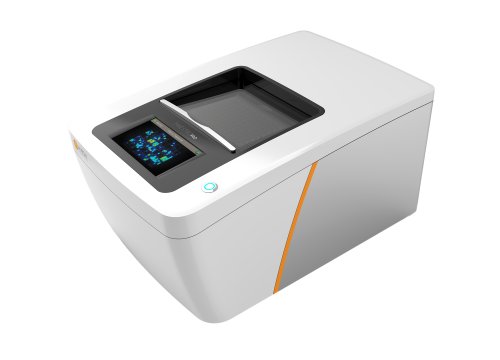
Using the Axion BioSystems Maestro Pro multielectrode array (MEA) platform with the Cardiac Module, the team recorded field potentials (FPs), LEAP signals, and contractility to capture a multidimensional view of cardiomyocyte behavior. As expected, moxifloxacin alone induced early afterdepolarizations (EADs), a known marker of proarrhythmic risk. The subsequent addition of cobicistat suppressed these EADs, while the drug combination shortened the corrected field potential duration (FPDc). Importantly, the Maestro system enabled testing at clinically relevant concentration ranges, strengthening translational relevance.
This study demonstrates how MEA-based cardiac assays can support the FDA’s transition toward NAMs for preclinical evaluation, offering sensitive, human-relevant insights into drug–drug interactions that may not be detectable in traditional models. The findings highlight the promise of iPSC-derived cardiomyocytes paired with high-throughput electrophysiology as a next-generation approach to cardiac safety science.