Authors: Hyerin Choi, Dongjin Oh, Ali Jawad, Zheng Haomiao, Jaehyung Ham, Juyoung Heo, Aram Oh, Huijin Jin, Jaehyeok Seo, Byoung Chol Oh, and Sang-Hwan Hyun
Stem Cell Research & Therapy, 05 November 2025
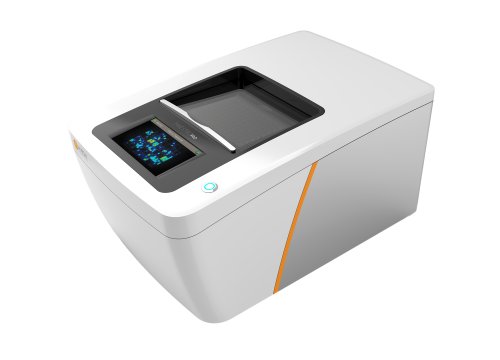
Scientists use Axion’s next-generation Maestro Pro MEA to evaluate functional development in porcine midbrain-like organoids (pMLOs).
Midbrain dopaminergic (mDA) neurons are essential for motor control and are central to disorders such as Parkinson’s disease. While rodent and human models are well studied, porcine embryonic stem cells (pESCs) offer a valuable intermediate system with closer physiological similarity to humans. In this study, researchers established a floor plate–based differentiation protocol to generate ventral midbrain progenitors from pESCs and assessed their maturation into dopaminergic neurons under both 2D and 3D culture conditions.
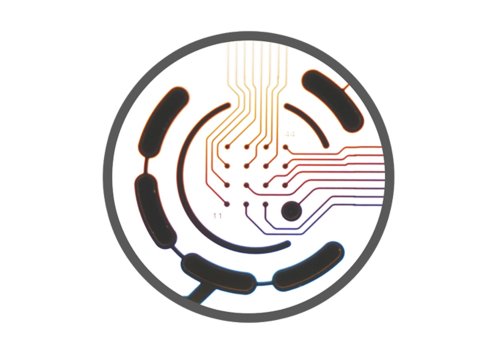
To evaluate functional development in the porcine midbrain-like organoids (pMLOs), the team recorded electrophysiological activity using Axion BioSystems’ noninvasive Maestro Pro MEA platform. As the organoids matured, the researchers observed increasing spike amplitudes, spike rates, burst activity, active electrode counts, and network-level bursting, all hallmarks of progressing neuronal maturation and dopaminergic network formation.
Overall, these results demonstrate that pESCs can be reliably directed toward functional mDA neuron fates in both 2D and 3D contexts, offering a promising, scalable model system for translational neuroscience and disease research. The ability to validate organoid maturation using MEA-based activity measurements provides an important functional readout for dopaminergic development.