Authors: Thomas Bessy, Anthony Martinez, Camille Baquerre, Corinne Grégoire, Aurélie Batut, Aurore Berthelin, Louise Dubuisson, Séverine Teluob, Audrey Azéma, Laurène Roussel Berlier, Damien Lelièvre, and Alexandre Guichard
Lab on a Chip, 03 December 2025
NETRI’s DuaLink-MEA platform and Maestro MEA electrophysiology enable physiologically relevant analysis of neuron–keratinocyte interactions in a human sensory organ-on-chip model.
The skin is a highly dynamic sensory organ, but modeling how sensory neurons interact with skin cells in vitro remains challenging. Traditional skin models often lack neuronal components entirely, and many neuronal culture systems cannot accurately model how peripheral sensory networks are organized and function in vivo. In this study, researchers from NETRI and EPISKIN/L’Oréal developed a human-relevant organ-on-chip platform combining human iPSC-derived sensory neurons and keratinocytes within MEA-integrated microfluidic devices.
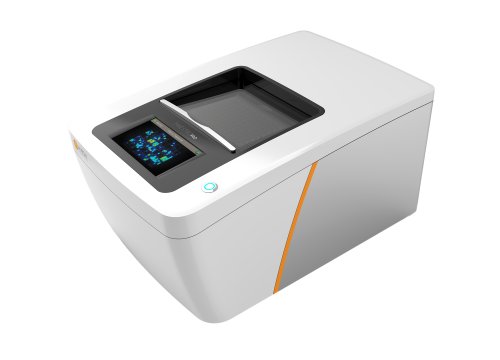
Using NETRI’s DuaLink-MEA platform and Axion BioSystems’ Maestro MEA system, the team created compartmentalized cultures that separate neuronal cell bodies from distal axonal endings while enabling controlled interactions with keratinocytes. This microfluidic architecture allowed selective stimulation of neuronal terminals under physiologically relevant conditions while supporting real-time electrophysiological recordings.
The researchers showed that sensory neurons expressed key nociceptor markers and exhibited robust functional responses to thermal and chemical stimulation, including ATP and lactic acid exposure. Co-culture with keratinocytes supported neurite regrowth and enabled investigation of neuron–keratinocyte communication pathways involved in sensory signaling, inflammation, pain, and itch.
Together, this work establishes a scalable, human-relevant platform for studying neurocutaneous interactions and sensory modulation in vitro, supporting future therapeutic screening and development for skin disorders and sensory dysfunction.