Simplifying barrier function research
Are conventional assay methods slowing your research? Epithelial and endothelial cells play a critical role in role in maintaining the body's internal environment, protecting against pathogens, and regulating the transport of substances—but studying barrier function with handheld chopstick electrodes can be tedious and time-consuming.
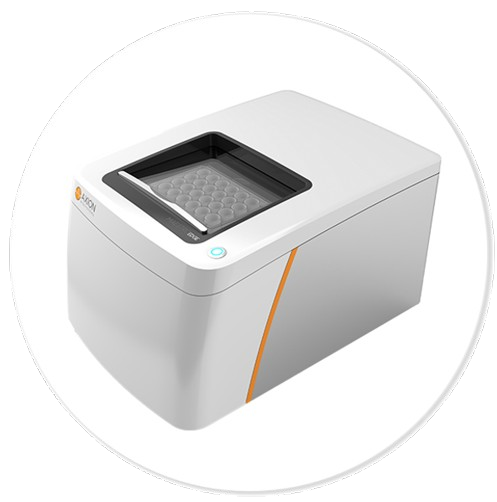
Discover how scientists are using hands-free, high-throughput TEER measurements on Axion's next-generation Maestro Z platform to easily and reliably track barrier integrity over days, weeks, or months and detect small, transient disruptions to barrier function in real time.
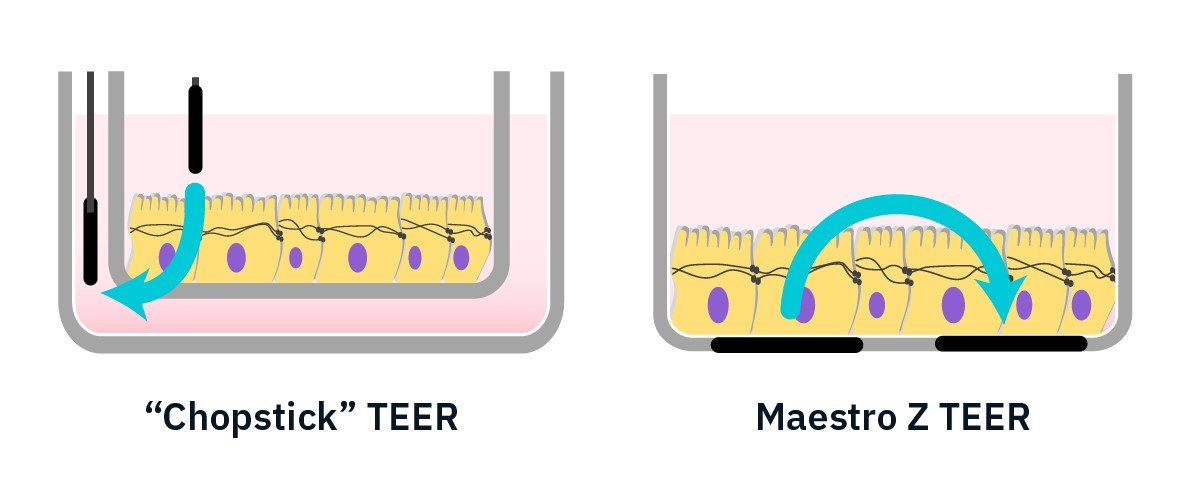
TEER is an important metric to evaluate the integrity of cellular barriers. Handheld “chopstick-electrode” TEER devices can be highly dependent on electrode positioning and manual handling can disturb the cell layer. Integrated interdigitated electrodes on the Maestro Z overcome these challenges.
Coffee Break Webinar
See how researchers are using TEER measurements on Maestro Z to advance sickle cell anemia research—or explore our full on-demand video library.
Featured publications
Discover how scientists worldwide are using impedance-based Maestro Z systems to evaluate barrier function in real time and uncover novel disease mechanisms.
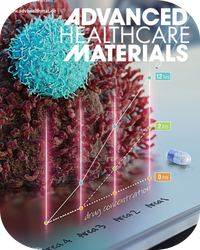
>> Membrane Vesicles from Lacticaseibacillus Casei BL23 Exhibit Antimicrobial Activity Against Escherichia coli and Immunostimulatory Effects on Human Peripheral Blood Mononuclear Cells
Researchers used TEER-based impedance measurements to assess how probiotic-derived membrane vesicles influence epithelial barrier integrity, revealing subtle functional changes without compromising cell coverage.
D’Antoni C et al. Advanced Healthcare Materials. 2025.

>> Cell-autonomous innate immunity by proteasome-derived defence peptides
Scientists use dynamic TEER measurements on Maestro Edge, and other methods, to reveal a previously unknown role of proteasomes in immune defense and investigate proteasome-derived peptides as a valuable source of natural antibiotics for future therapeutic applications.
Goldberg K et al. (2025). Nature.

>> Endothelial SHANK3 regulates tight junctions in the neonatal mouse blood-brain barrier through β-Catenin signaling
The authors perform TEER measurements on Maestro Z to investigate the role of the blood-brain barrier (BBB) in the development of autism spectrum disorder and explore novel therapeutic strategies targeting brain endothelial cells in the BBB.
Kim Y et al. (2025). Nature Communications.

>> Quantitative impedance-based characterization of breast cancer cell migration and metastatic potential
Can real-time impedance distinguish breast cancer cells by metastatic potential? Combining TEER and scratch assays on Maestro Z, researchers found that aggressive triple-negative cells migrated faster and formed weaker barriers than luminal cells, with leptin altering responses by cell line.
Higgins K and Gomillion C. (2025). Journal of Biological Engineering.

>> Supplementation with short-chain fatty acids and a prebiotic improves clinical outcome in Parkinson’s disease: a randomized double-blind prospective study
Short-chain fatty acid and prebiotic supplementation improved intestinal barrier integrity and motor symptoms in people with Parkinson’s disease. TEER measurements provided a functional assessment of the treatment’s effects on the intestinal barrier.
Hegelmaier T et al. (2025). Scientific Reports.

>> Methamphetamine-Induced Loss of Syndecan-1 and Retinal Endothelial Integrity via the TAAR-1/MMP-9 Pathway
Methamphetamine disrupted barrier formation in primary rat retinal endothelial cells. TEER tracking linked this damage to TAAR-1–mediated MMP-9 activity, revealing a potential target for protecting retinal vascular integrity.
Lee M et al. (2025). Pathophysiology.
>> Porphyromonas gingivalis GroEL exacerbates orthotopic allograft transplantation vasculopathy via impairment of endothelial cell function
The authors use TEER measurements and other methods to explore a potential link between organ failure following heart transplant and GroEL, a virulence factor of P. gingivalis that leads to pro-inflammatory cytokine production.
Tsai C-S et al. (2024). Molecular Oral Microbiology.

>> NanoIEA: A nanopatterned interdigitated electrode array-based impedance assay for real-time measurement of aligned endothelial cell barrier functions
Scientists demonstrate a nanopatterned interdigitated electrode array (nanoIEA)-based impedance assay that better recapitulates highly aligned endothelial structures and physiologically relevant barrier functions in vitro.
Choi J et al. (2023). Advanced Healthcare Materials.

>> Ex vivo intestinal permeability assay (X-IPA) for tracking barrier function dynamics
Scientists develop an innovative gut organ culture system to investigate the impact of a variety of compounds and microbes on intestinal barrier function, using TEER measurements on the Maestro platform and other methods.
Bootz-Maoz H et al. (2023). npj Biofilms and Microbiomes.

>> Diet-induced modifications to human microbiome reshape colonic homeostasis in irritable bowel syndrome
The authors develop a gut organ culture system and use a multiplatform approach to investigate colonic responses to microbiota communities in people with irritable bowel syndrome before and after a low-FODMAP diet.
Bootz-Maoz H et al. (2022). Cell Reports.

>> Sequestration of gut pathobionts in intraluminal casts, a mechanism to avoid dysregulated T cell activation by pathobiont
Learn how scientists investigated the complex relationship between intestinal microbes and immune response using a model in which interaction of the host is regulated by the presence of a bacterial capsule.
Sassone-Corsi M et al. (2022). PNAS.

>> Acetate, a metabolic product of Heligmosomoides polygyrus, facilitates intestinal epithelial barrier breakdown in a FFAR2-dependent manner
Researchers explore the underlying mechanisms driving initial host tissue invasion in parasitic worm infections and investigate the role of acetate on barrier permeability using TEER and other methods.
Schälter F et al. (2022). International Journal for Parasitology.
“The TEER assay is a game-changer in cell barrier research.”
The TEER assay is a vital tool for unraveling the mysteries of cellular barriers and advancing our understanding of health and disease in the easiest way possible. We utilize the Maestro Edge system with the Impedance Module to measure TEER in colonic epithelial cells cultured with various bacteria in vitro. Recently, we demonstrated that B. adolescentis bacteria impair epithelial barrier integrity in patients with irritable bowel syndrome (IBS).
- Hadar Bootz-Maoz. Bar Ilan University, Ramat Gan, Israel
Contact a Solution Specialist
Our experts are available to provide more information about our technology and answer any questions you may have.